In the EXM platform an asset model is a standardized, enterprise-wide approach for tracking and managing resources. With an asset model, systems are created that bring together all the information about how these resources are managed. This includes everything such as software products, hardware configurations, locations and vendors. The biggest benefit of an asset model is that it reduces the need for redundant data entry and coordination across different departments.
A hardware model is a physical or logical representation of an organization's IT infrastructure. The model can be used to track and manage assets, such as servers, routers, and switches. The hardware model forms the foundation for the Configuration Management Database (CMDB). The CMDB stores information about the IT environment, including device configuration and relationships between devices.
Model definitions can be based on vendor-provided criteria, for example, the manufacturer name HP Laptop 1100x, or on a custom abstraction, for example, Application Developer PC. All model information is located within the Asset Management module.
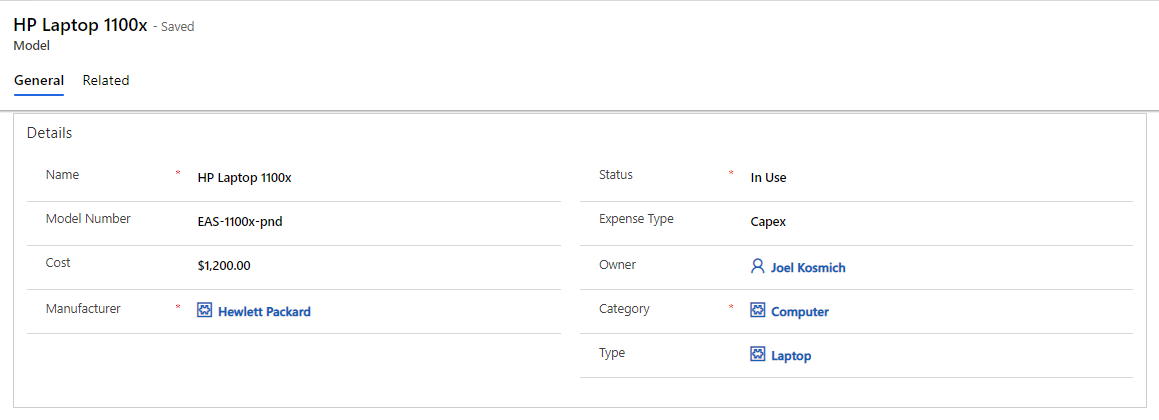
Field Name | Description |
|---|---|
Category | Used for reporting and grouping |
Cost | Price of unit |
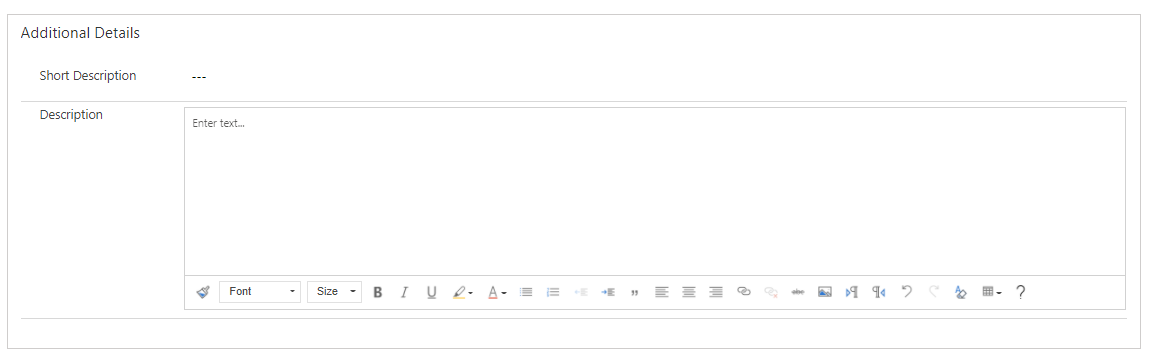
Description | Description of Asset |
Expense Type | Accounting methods |
Invoice Number | Accounting system generated tracking identifier |
Manufacturer | Firm which created device |
Model Number | Associated Vendor Naming convention |
Name | Describes the Model |
Owner | Responsible for offering |
PO | Accounting system generated payment identifier |
Short Description | Brief Identification statement |
Status | Current Condition of Asset |
Type | Classification of Asset |
Vendor | Company purchased from |
Required Fields: Status, Name, Manufacturer, Category